TETRA Antenna Buying Guide: UK Emergency Services

Selecting the wrong antenna for a police car, fire engine, or ambulance can undermine years of investment in mission-critical communications infrastructure. In the UK, emergency services are managing one of the most significant communications transitions in decades: the gradual shift towards the Emergency Services Network (ESN) whilst maintaining compatibility with existing TETRA systems. Getting antenna selection right is non-negotiable.
This guide provides practical, technical guidance for fleet managers, vehicle integrators, and field technicians responsible for equipping emergency service vehicles with reliable on-board antenna systems.
Understanding TETRA in UK Emergency Services
TETRA (Terrestrial Trunked Radio) has been the backbone of UK emergency service communications since the late 1990s. These systems operate in the 380–400 MHz band and offer encrypted, reliable communication with coverage across the vast majority of populated areas in the UK.
The Emergency Services Network (ESN) programme represents the next generation, adding 4G broadband capability alongside narrowband TETRA radio. Many vehicles will operate dual-mode systems (TETRA + ESN) for several years, placing specific demands on antenna design and installation.
Omnidirectional Antennas: When They Work Well
Omnidirectional TETRA antennas radiate equally in all horizontal directions: the practical choice for most emergency service mobile units in urban areas with good base station coverage. Browse Renair's range of omnidirectional antennas for vehicle applications.

Key advantages
- Simpler installation: no orientation adjustment required
- Lower cost than directional alternatives
- Works equally well in any direction of travel
- Suits applications where vehicle heading is unpredictable (fire, police rapid response, ambulance)
Typical specifications
- Gain: 2–4 dBi
- Impedance: 50 ohms nominal
- VSWR: <2.0:1 across TETRA band
- Radiation pattern: near-doughnut shape in azimuth
Directional Antennas: Gain and Range Trade-offs
Directional TETRA antennas concentrate radio energy in a specific direction, offering higher gain (typically 5–8 dBi) but requiring the vehicle to face the base station for maximum performance. See Renair's directional antenna range.
When directional makes sense: Fixed installations (control rooms, training centres) or vehicles with predictable routes such as transport recovery vehicles on motorways. For typical urban emergency response, the inflexibility of a directional antenna generally outweighs range benefits.

ESN Dual-Band Considerations
ESN systems require both narrowband TETRA (380–400 MHz) and broadband LTE (700 MHz and 2600 MHz). Two options exist:
Option 1: Dual-band antenna: A single antenna covering both TETRA and LTE bands. Simpler installation, but performance is typically compromised in at least one band.
Option 2: Separate antennas: Dedicated TETRA antenna plus separate LTE antenna or MIMO array. Superior reliability, independent troubleshooting. Recommended for most emergency service fleet rollouts. Browse combination antennas or MIMO antenna options.
ESN compliance note: All antennas must be tested and certified to meet ESN compatibility standards. Verify type approval documentation when procuring antennas for ESN vehicles.
Mounting and Installation
Roof mounting is preferred for emergency vehicles: it provides best all-round coverage and least multipath interference. Roof drilling requires advance planning and proper weatherproofing. Renair supplies a range of mobile vehicle antenna mounts suitable for roof, bracket, and magnetic applications.
Ground plane note: TETRA antenna performance is highly sensitive to the ground plane. A roof-mounted antenna on a steel vehicle roof provides an excellent ground plane. Mounting on fibreglass or composite surfaces degrades performance: use an auxiliary ground plane (0.5–1 m² copper or aluminium mesh) if mounting on non-metallic surfaces.
Cable Selection and Loss
Cable loss directly impacts received signal strength: every 3 dB of loss roughly halves received signal power. Specify low-loss coaxial cable from the outset: RG-213 equivalent for runs up to 5 m, lower-loss options for longer runs. All external connectors must be rated to minimum IP65 and fully weatherproofed.

Common Installation Mistakes
- Inadequate grounding: always use solid mechanical fasteners and conductive contact, not sealant alone
- Coiled or kinked cable runs: route cable carefully, secured to prevent movement
- Wrong connector type: mismatched connectors introduce impedance discontinuities and loss
- Insufficient weatherproofing: water ingress will degrade the system over months
- Assuming one antenna suits all applications: select based on operational requirements, not specifications alone
Specification Checklist
- ☐ Application type: omnidirectional or directional? Fixed or mobile?
- ☐ TETRA band (380–400 MHz) compatibility confirmed?
- ☐ ESN dual-band (TETRA + LTE) capability required?
- ☐ Mounting location: roof, bracket, or temporary?
- ☐ Cable length and loss calculated?
- ☐ Connector type matched to radio equipment?
- ☐ Environmental rating confirmed (IP rating and temperature range)?
- ☐ Type approval documentation provided?
Next Steps
For ESN-certified TETRA and dual-band antennas engineered for UK emergency service vehicles, contact Renair's technical team for product selection guidance and installation support. Alternatively, browse the full Renair antenna product range or view our bespoke antenna design and manufacturing services.
Related products
Related reading
Understanding the Innovative Technologies Behind Our Antenna Solutions
At Renair, we utilise cutting-edge technology to design antennas that excel in performance and reliability. Our manufacturing process incorporates rigorous testing to ensure each product meets the highest standards. This commitment to quality guarantees that our antennas provide seamless connectivity for a variety of applications.
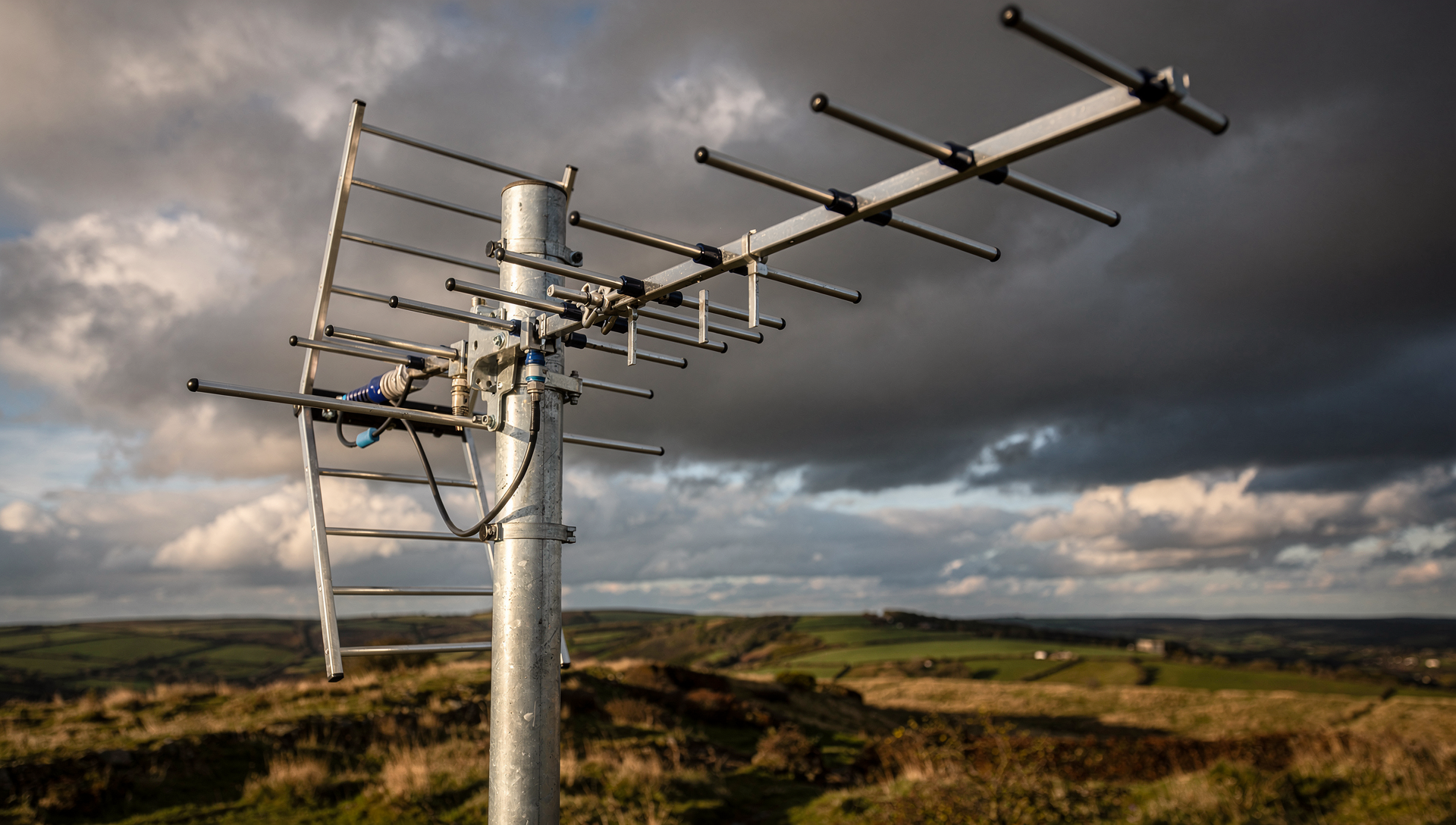
Yagi Antennas Explained: How They Work, How Many Elements You Need and How to Size One
How a Yagi-Uda antenna works, what element count does to gain and beamwidth, a quick sizing guide for VHF and UHF, and how to choose the right Yagi for a UK installation.
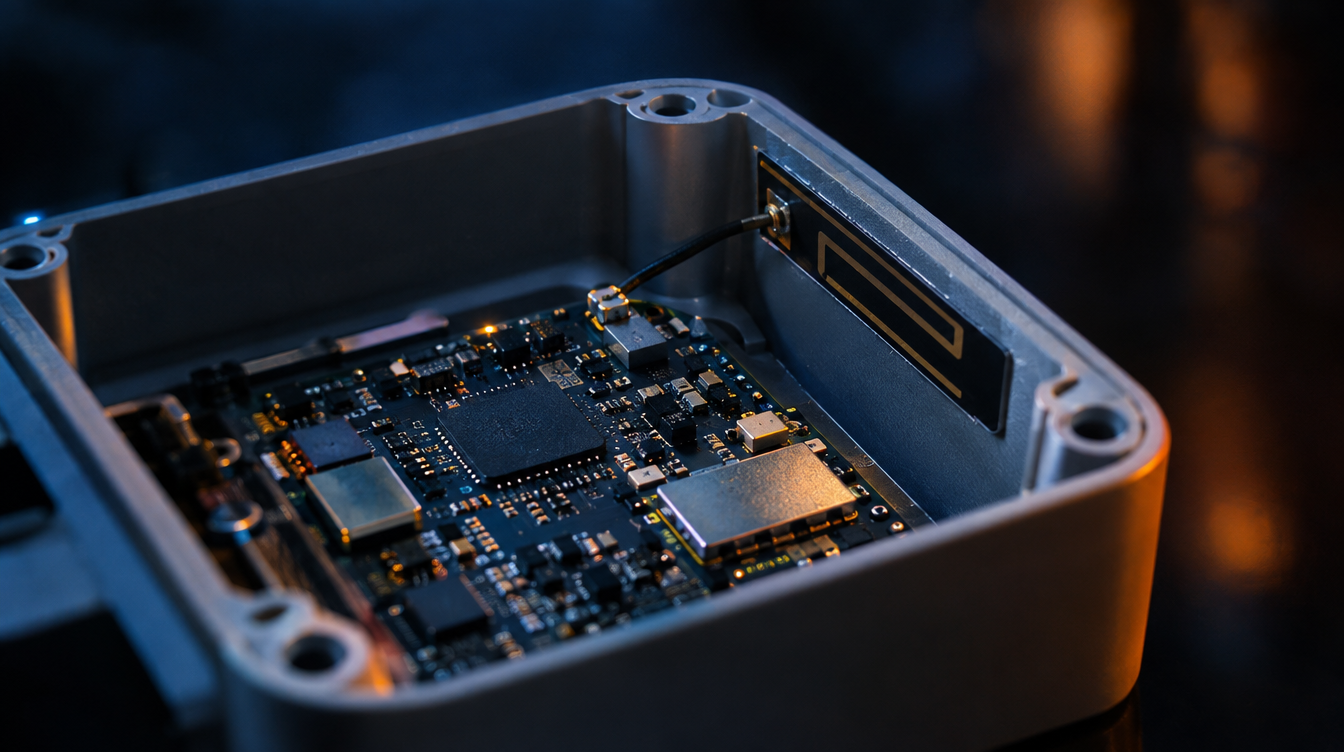
5G RedCap Antennas: What IoT Designers Need
What 5G RedCap changes for IoT device design, why fewer receive antennas make each one count, and how to choose embedded and external options.

Lightning Protection for Antenna Masts
How to earth antenna masts, bond feeders and fit surge arrestors so a lightning strike does not take out radio equipment or the building it sits on.
Our Customers
Lorem ipsum dolor sit amet, consectetur adipiscing elit.
“The team at Renair is always ready to assist, providing expert advice and quality products.”


“Renair’s bespoke antenna solutions have significantly enhanced our system performance.”

“We rely on Renair for all our antenna needs. Their products and service are consistently excellent.”

“Renair’s team provided exceptional support throughout our project, ensuring seamless integration.”

“The quality of Renair’s antennas is unmatched. Our communications have never been clearer.”

“Renair’s customer service is top-notch. They promptly addressed our queries and provided tailored solutions.”


Get in Touch with Us
Contact Renair today for inquiries, partnerships, or to learn more about our solutions.