Preparing Antennas for Harsh Environments: A UK Specifier's Checklist
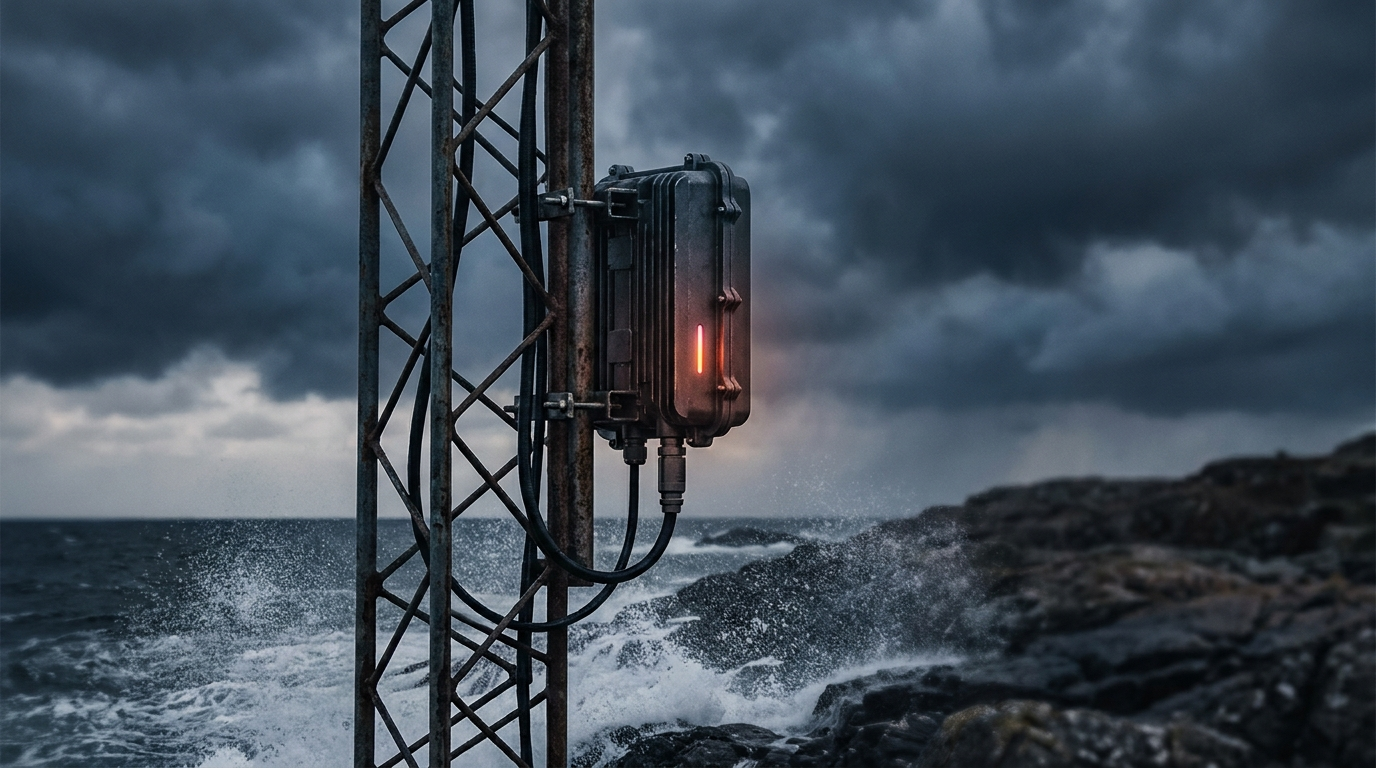
Start with the environmental envelope
The first job of specifying an antenna for a harsh environment is to write down, precisely, what 'harsh' means. Vague descriptors cost money later. A good environmental envelope captures:
- Temperature range (continuous and peak), usually in degrees Celsius.
- Humidity range and whether condensation is expected.
- Saltfog exposure for coastal and marine applications.
- UV exposure and expected in-service years.
- Vibration profile, if mounted on a vehicle or rotating structure.
- Wind loading, if mounted on a mast.
- Chemical exposure, if mounted on or near industrial process equipment.
IP rating is necessary, not sufficient
IP67 and IP68 are useful shorthand, but they only cover dust and water ingress. Saltfog, chemical resistance, vibration and UV aging are separate conversations.
IP67
Dust-tight, and protected against immersion to 1 metre for 30 minutes. The standard for most outdoor professional antennas.
IP68
Dust-tight, and protected against deeper immersion per the manufacturer's stated test depth and duration. Useful for below-deck marine or subsurface enclosure installations.
IP69K
Dust-tight, and protected against high-pressure, high-temperature water jets. Relevant for vehicles that go through commercial high-pressure washes, including emergency service and food-industry vehicles.
Materials worth specifying
Radome material
ASA or UV-stabilised polycarbonate radomes are the correct choice for long-life outdoor installs. Standard ABS will chalk, yellow and crack under sustained UV. For tropical or desert deployments, confirm the UV stabilisation level explicitly.
Hardware
For coastal or marine installs, specify 316 stainless steel for all hardware, not 304. The difference in corrosion resistance is significant in persistent saltfog. Zinc-plated hardware is not suitable for these environments.
Cable joints
Gel-filled or fully potted joints where water ingress is a long-term risk, particularly on cable-to-antenna joints exposed to standing water or repeated submersion cycles. Self-amalgamating tape is a field solution, not a designed-in one.
Connectors
N-type with proper weatherboots, or purpose-built sealed variants. TNC and SMA connectors are not appropriate for permanent outdoor installs without additional protection.
Mechanical notes for vehicles and vessels
Antennas on commercial and industrial vehicles fail for mechanical reasons more often than electrical. Specify automotive-rated mounting hardware, keep cable runs short and well-supported, and avoid coiled excess cable where it can chafe against a panel.
For marine vessels, check not only the antenna but the mast it is attached to. An excellent antenna on a poor mast will still fail the install. Mast joints are a common source of water ingress and mechanical failure that does not show up on an antenna datasheet.
On the datasheet, ask for
- Operating and storage temperature range.
- IP rating, with a reference to the test standard used.
- Saltfog and UV test data, if the application requires it.
- Vibration test profile, if mounted on a vehicle.
- Expected service life under the specified conditions.
When to go bespoke
If a stock antenna datasheet cannot answer the environmental questions, and the project cannot tolerate ambiguity, it is usually time to move to a bespoke specification. This is particularly common in coastguard, marine, industrial process and military-adjacent applications. Renair's engineering team can adapt existing designs to tighter environmental specifications. Email sales@renair.co.uk.
Understanding the Innovative Technologies Behind Our Antenna Solutions
At Renair, we utilise cutting-edge technology to design antennas that excel in performance and reliability. Our manufacturing process incorporates rigorous testing to ensure each product meets the highest standards. This commitment to quality guarantees that our antennas provide seamless connectivity for a variety of applications.
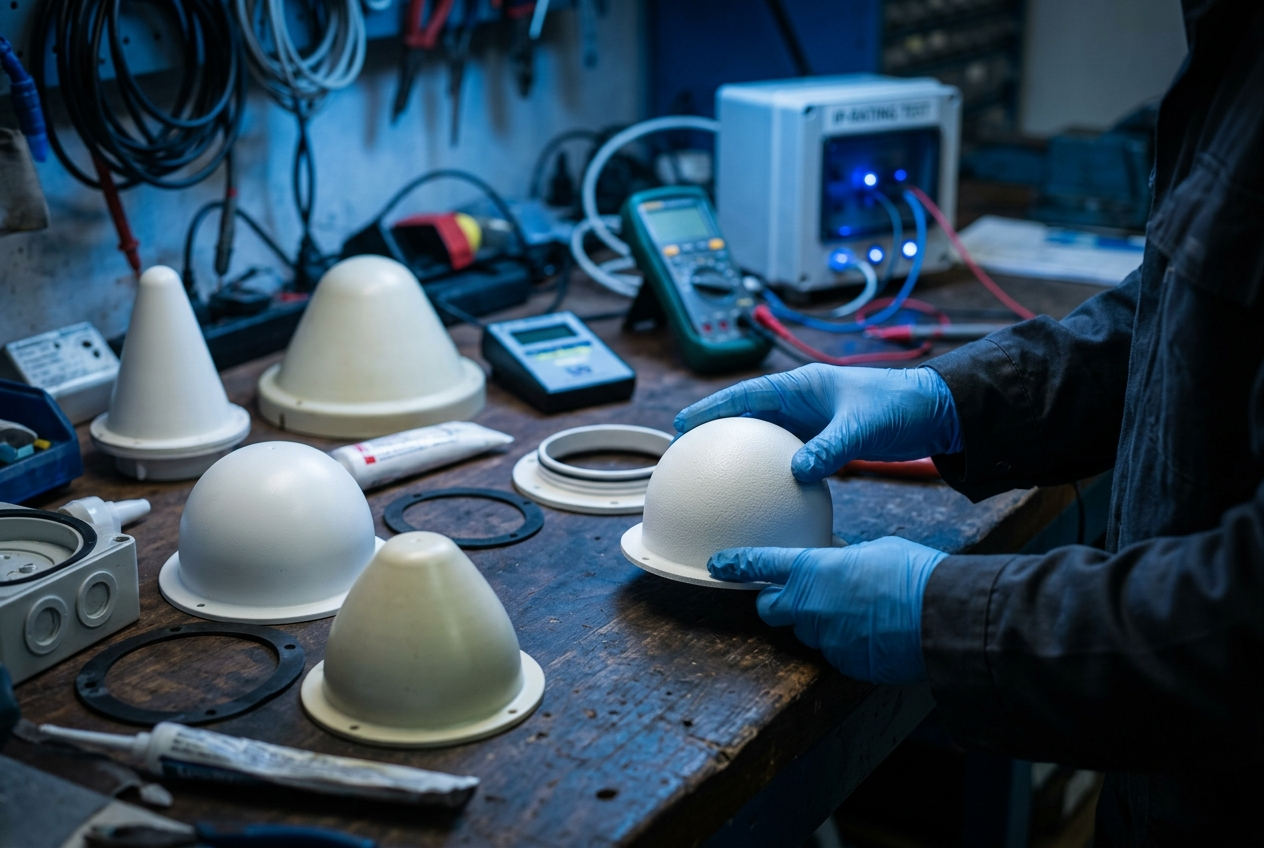
Choosing Antenna Housings and Radomes: Materials, IP Ratings and UV Resistance
A practical guide to radome materials, IP ratings, and UV resistance for specifying durable antenna housings on UK installations.

Antenna Diversity and MIMO for Fixed Wireless Access: What UK ISPs Need to Know
How antenna diversity and MIMO improve fixed wireless access performance, and what UK ISPs should specify for reliable, high-throughput deployments.
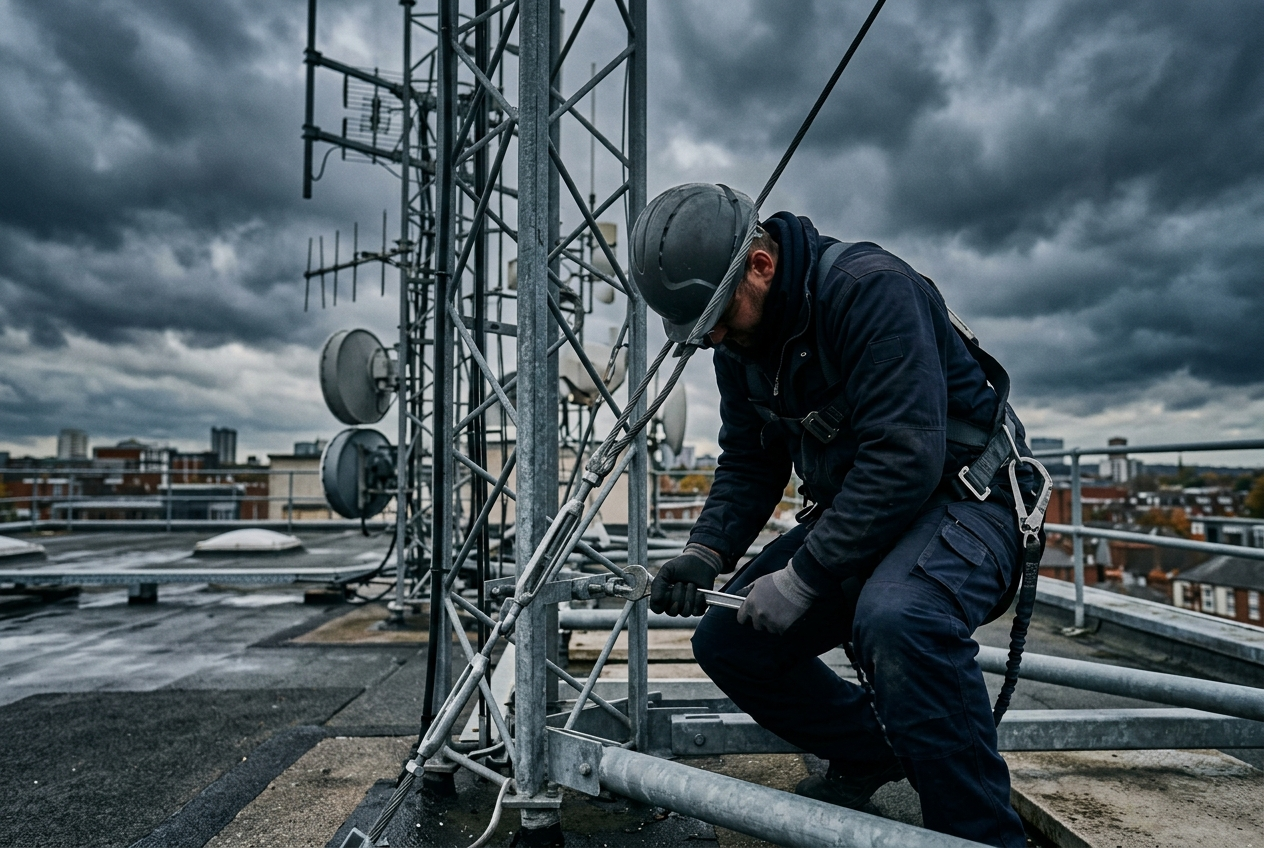
Preparing Antenna Installations for Autumn and Winter: A UK Storm-Season Checklist
A practical pre-winter checklist for UK antenna installations covering wind loading, weatherproofing, grounding, and post-storm inspection routines.
Our Customers
Lorem ipsum dolor sit amet, consectetur adipiscing elit.
“The team at Renair is always ready to assist, providing expert advice and quality products.”


“Renair’s bespoke antenna solutions have significantly enhanced our system performance.”

“We rely on Renair for all our antenna needs. Their products and service are consistently excellent.”

“Renair’s team provided exceptional support throughout our project, ensuring seamless integration.”

“The quality of Renair’s antennas is unmatched. Our communications have never been clearer.”

“Renair’s customer service is top-notch. They promptly addressed our queries and provided tailored solutions.”


Get in Touch with Us
Contact Renair today for inquiries, partnerships, or to learn more about our solutions.