Temporary Antenna Setups for Major Events

Large events put sudden, concentrated demand on radio networks. A festival, marathon or major sporting fixture can bring tens of thousands of people into an area designed for a few hundred, and public safety teams need reliable communications throughout. Temporary antenna systems fill the gap, but they have to be planned as carefully as permanent ones.
Know what you are supporting
List the services first: event control talk groups, stewarding radios, medical teams, CCTV backhaul, cellular data for ticketing and incident logging, and liaison with blue light partners. Each service may need its own antenna or a shared system with suitable combining and filtering.
Masts and height
Height is the single biggest factor in coverage. Telescopic and trailer-mounted masts can lift antennas above crowds, stages and vehicles. Make sure masts are ballasted or guyed for the expected wind, and plan for lowering if conditions change. A temporary mast on soft ground after rain is a real risk.
Antenna choices
- Wideband UHF antennas such as the UHF44 A/B/C/D cover broad frequency ranges, which helps when the final channel plan is not fixed until shortly before the event.
- Base station omnis such as the BASE004 series give even coverage across the site from a central mast.
- Magnetic mounts such as the SATMAG GNSS antenna suit control vehicles that move between locations.
- Portable antennas from our portable range for handheld and rapid deployment kits.
Cabling and power
Temporary sites often end up with long cable runs across walkways. Use low-loss feeder, protect cables with ramps, and label every run. Keep generators and power distribution away from receive antennas, as electrical noise from poorly suppressed equipment can raise the noise floor across the site.
Licensing and coordination
Temporary radio use needs the correct Ofcom licences, and frequency coordination with other users at the event. Agree the frequency plan with all parties early, and test the full system in place before gates open, not on the morning of the event.
After the event
Record what worked. Coverage notes, mast positions and interference issues make next year's plan faster and more reliable.
Frequently asked questions
Do I need a licence for temporary event radio?
Yes. Temporary radio use requires the appropriate Ofcom licence, and frequencies should be coordinated with other users at the event.
How high should a temporary mast be?
High enough to clear crowds, stages and vehicles across the site. The safe height depends on the mast, ground conditions and expected wind.
Can one antenna serve several radio channels?
Yes, with combiners and filters designed for the frequencies involved. This reduces the number of antennas on the mast but needs careful planning.
For more on emergency services networks, read our TETRA antenna guide. To build a temporary antenna kit, contact sales@renair.co.uk.
Understanding the Innovative Technologies Behind Our Antenna Solutions
At Renair, we utilise cutting-edge technology to design antennas that excel in performance and reliability. Our manufacturing process incorporates rigorous testing to ensure each product meets the highest standards. This commitment to quality guarantees that our antennas provide seamless connectivity for a variety of applications.

Marine Communication Regulations: What They Mean for Vessel Operators
What GMDSS, its modernisation and maritime cyber risk guidance mean for vessel operators, and what to check across antennas, cabling and mounting before an upgrade.
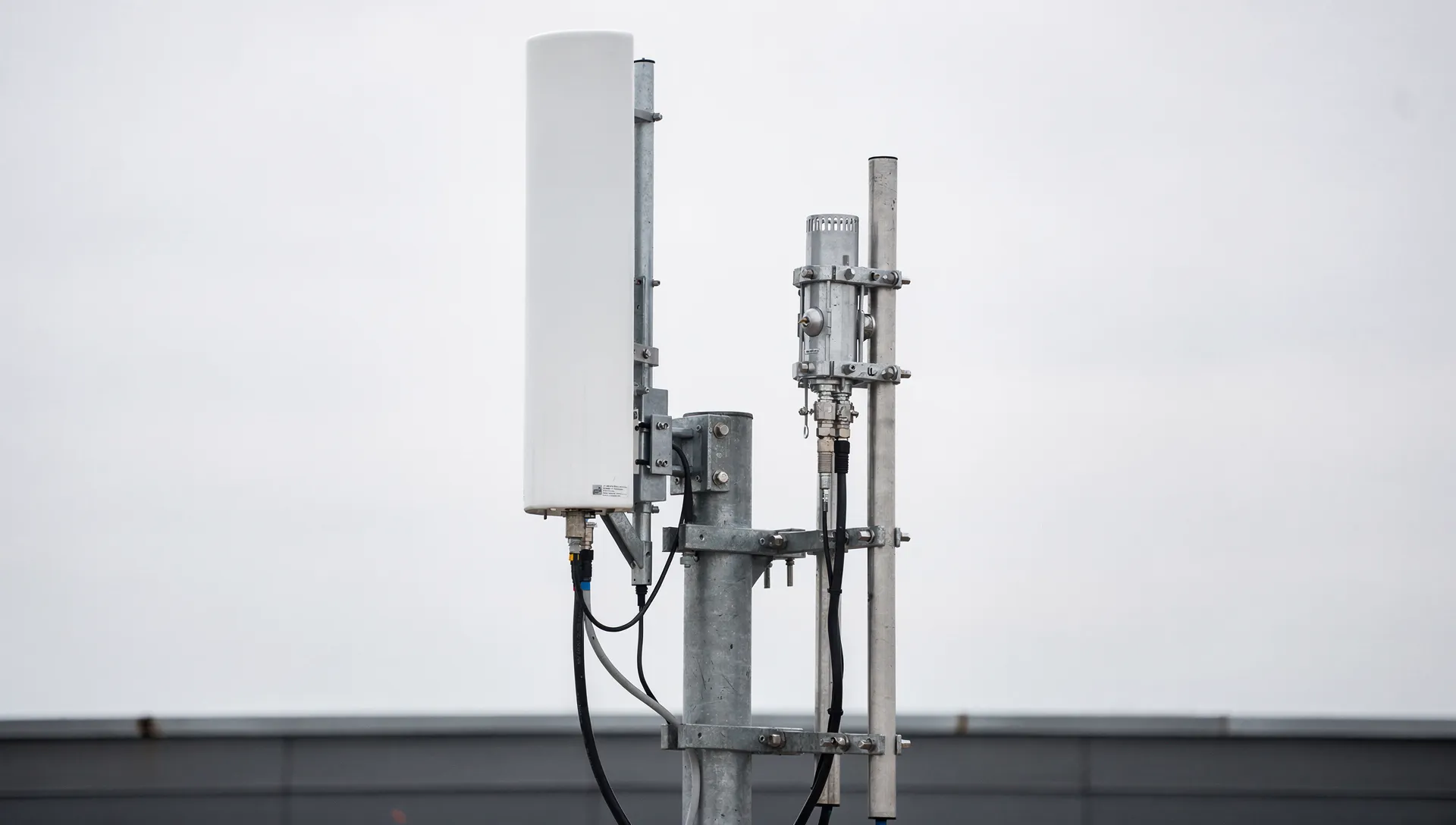
VHF vs UHF Antennas: Which Do You Need?
The difference between VHF and UHF antennas in plain English: range, terrain, building penetration, antenna size and which sectors use which band.

Do You Need a VHF Radio Licence in the UK? Ofcom Rules Explained
Which licences you need to use a marine VHF radio in the UK: the Ofcom Ship Radio Licence, the Ship Portable Radio Licence and the operator's certificate, plus what changes for land-based VHF.
Our Customers
“The team at Renair is always ready to assist, providing expert advice and quality products.”


“Renair’s bespoke antenna solutions have significantly enhanced our system performance.”

“We rely on Renair for all our antenna needs. Their products and service are consistently excellent.”

“Renair’s team provided exceptional support throughout our project, ensuring seamless integration.”

“The quality of Renair’s antennas is unmatched. Our communications have never been clearer.”

“Renair’s customer service is top-notch. They promptly addressed our queries and provided tailored solutions.”


Get in Touch with Us
Contact Renair today for inquiries, partnerships, or to learn more about our solutions.